
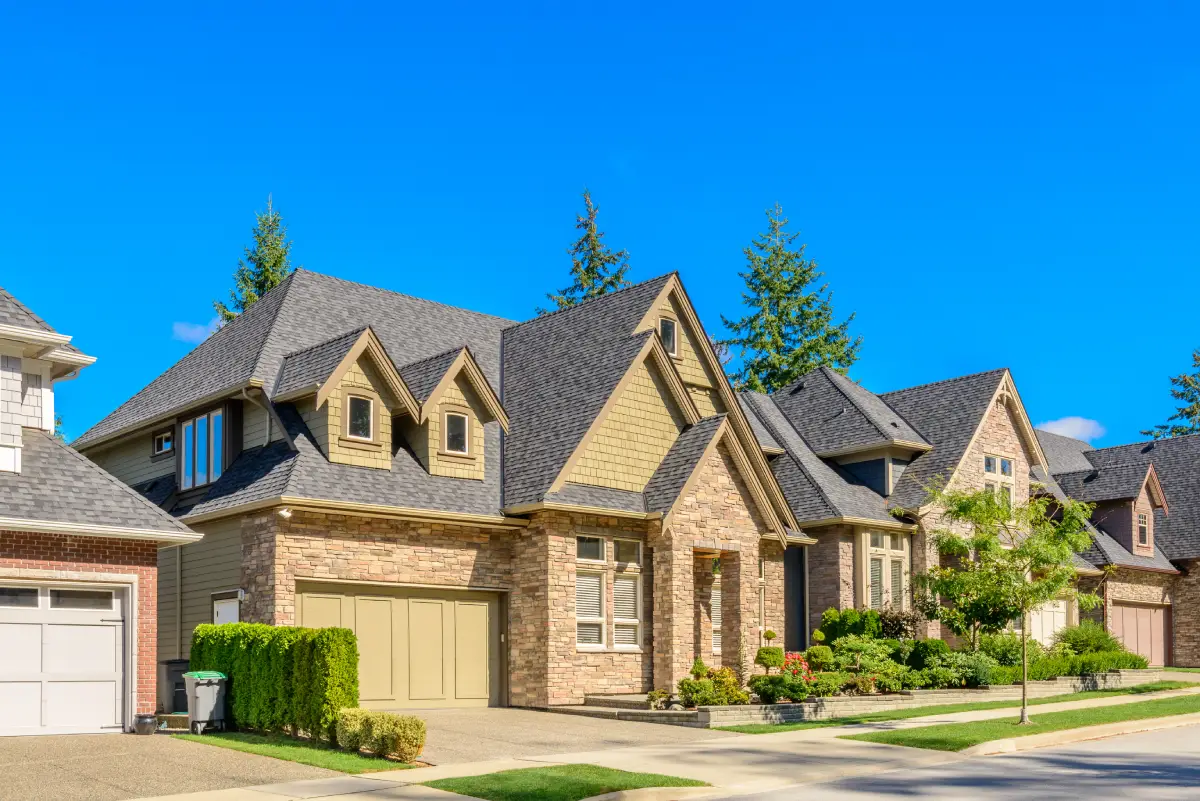
In Tampa Bay, owners tracking where growth is happening often find that single-family rentals bring a calmer, more predictable rhythm to day-to-day operations. Property type shapes everything, tenant expectations, maintenance cadence, pricing pressure, and how often a “small” issue turns into a time-consuming event.
At PMI Tampa Bay, we manage strictly residential homes, and we see how detached properties support smoother performance when the goal is stable income with fewer operational surprises. If you’re weighing single-family homes against higher-density housing, the details below will help you compare what ownership actually feels like once the keys are handed over.
Key Takeaways
- Single-family rentals reduce friction because tenants share fewer spaces and systems.
- Private outdoor areas and flexible layouts often support longer stays.
- Neighborhood-based competition gives owners more room to price strategically.
- Maintenance tends to be easier to schedule and budget without shared infrastructure.
- Risk management can feel simpler when liability lines are clear.
Fewer Shared Spaces, Fewer Daily Interruptions
Single-family rentals naturally avoid many of the recurring issues that come with dense living environments. When tenants share walls, hallways, parking, and amenities, small tensions can build quickly. That creates more messages, more mediation, and more pressure to respond fast.
Detached homes limit those touchpoints. Tenants typically handle their routines without bumping into neighbors’ habits, and that reduces the conditions that spark disputes. It also helps us maintain cleaner expectations because responsibilities are clearer, especially around noise, guest behavior, and outdoor use.
Why lower density matters operationally
Lower density tends to mean fewer complaints that require back-and-forth communication. When each home functions as its own ecosystem, coordination stays simpler, and follow-ups don’t spill into multiple households.
Outdoor Space Helps Retention in a Florida Lifestyle Market
Tampa Bay renters value outdoor living. A yard, porch, patio, or driveway can feel like a daily quality-of-life upgrade, especially for households that want room to relax, host friends, or manage pets without shared rules.
This isn’t just about comfort. Outdoor space often affects lease decisions. Tenants who feel settled tend to renew, and renewals are where stability compounds for owners.
The management angle
Private outdoor space can reduce friction tied to shared grills, shared seating areas, and communal pet zones. A tenant who can step outside without negotiating space is less likely to feel boxed in, and that shows up in satisfaction.
Layout Flexibility Keeps Tenants From Outgrowing the Home
A single-family floor plan often adapts better to real-life changes. A spare bedroom becomes an office. A dining area becomes a homework hub. A bonus room turns into a guest space when family visits.
That flexibility matters in Tampa Bay because tenant profiles are diverse. Some households need room for kids, others want space for remote work, and some plan to stay put for years if the home continues to fit.
Planning for your next move
Many owners start with one rental and later refine their strategy after they gain experience. If you’re thinking through after your first buy, single-family layouts are often a practical way to support longer tenancy windows and reduce vacancy churn.
Pricing Pressure Works Differently Than in Multifamily Settings
Multifamily properties can create built-in competition. When several similar units hit the market at once, pricing becomes a fast-moving lever, and concessions can ripple through a building. Owners often feel that pressure in real time.
Single-family homes compete more by neighborhood, condition, and features. That gives owners more room to price based on what their home uniquely offers, lot size, upgrades, school zones, commute patterns, and nearby amenities.
Broader rental data also highlights how the market separates these segments, with single-family rents running 20% higher than multifamily rents in the referenced national trend.
What that means for owners
When a home stands on its own, you can position it with clearer value messaging and avoid some of the constant price-matching that comes from identical units living under one roof.
Maintenance Is More Predictable Without Shared Infrastructure
Shared systems can multiply complexity. One issue in a building might require access to multiple units, coordination with several households, and a tighter response window because more people are impacted.
Single-family homes usually isolate systems to one residence, which makes problems easier to diagnose, schedule, and resolve. It also supports clearer budgeting because repair history belongs to one home, not a layered web of shared components.
Here are a few maintenance categories that tend to stay simpler in detached rentals:
- HVAC and ductwork are typically home-specific, which limits cross-tenant disruption.
- Plumbing access is usually contained within the residence, reducing scheduling conflicts.
- Exterior upkeep can be planned around one household’s usage patterns.
Budgeting becomes less reactive
Owners who want cleaner forecasting often focus on systems that are easier to track. If you’re building better processes around reserves and reporting, guidance like clean financial reporting can support a more consistent view of performance.
Risk and Insurance Decisions Feel Clearer With Defined Boundaries
Insurance planning is part of operational stability, especially in Florida. Property structure influences liability exposure, and it also affects how owners think about coverage gaps and claim scenarios.
Single-family rentals often have simpler boundaries. There are fewer shared spaces, fewer shared amenities, and fewer scenarios where one tenant’s actions impact multiple households. That clarity can help owners evaluate risk with fewer moving parts.
We encourage owners to stay current and proactive, particularly as requirements evolve. A resource like an insurance planning guide can help frame decisions around protection and profitability in Tampa Bay.
Practical risk habits that help
Strong documentation, consistent inspections, and clear lease standards reduce ambiguity. When expectations are crisp, disputes are easier to resolve, and claims are less likely to become messy.
Scaling Can Be Steady Without Feeling Overcommitted
Single-family rentals often offer a manageable growth path. Many residential investors prefer adding one property at a time, learning what works, then repeating the process with better data and tighter standards.
That approach fits Tampa Bay well because submarkets vary. One neighborhood may attract long-term family tenants, while another may pull in relocating professionals. If you’re evaluating deals, it helps to quantify outcomes before committing.
Using a tool like run ROI numbers can help you compare scenarios, estimate returns, and pressure-test assumptions before you expand.
Market Signals Still Support Demand for Detached Homes
Single-family homes continue to draw strong demand, which feeds rental performance. National pricing data points to sustained interest in detached housing, with the median existing single-family home price reaching $426,800 in the third quarter of 2025 in the referenced report.
In Tampa Bay, that broader demand influences renter behavior too. Many households who aren’t ready to buy still want the lifestyle of a detached home, privacy, outdoor space, and neighborhood feel. When inventory is tight, well-positioned single-family rentals often stay competitive.
How we see this play out locally
Homes with functional layouts, clean maintenance records, and consistent standards tend to attract stronger applicants. That supports smoother turnovers and more stable cash flow over time.
FAQs about Single Family Homes in Tampa Bay, FL
How do single-family homes impact tenant screening in Tampa Bay, FL?
Single-family rentals often attract applicants planning longer stays, which allows owners to prioritize stability, income consistency, and rental history over volume, resulting in a more deliberate and effective screening process.
Are single-family rentals more appealing to pet-owning tenants in Tampa Bay, FL?
Yes, private yards and fewer shared restrictions tend to appeal to pet owners, expanding the applicant pool while reducing disputes tied to shared pet spaces or building-wide pet policies.
What role does neighborhood choice play for single-family rentals in Tampa Bay, FL?
Neighborhoods influence tenant quality, rent positioning, and renewal rates, with areas near schools, employment centers, and lifestyle amenities often supporting stronger demand for detached residential homes.
How do capital improvements differ for single-family rentals in Tampa Bay, FL?
Upgrades are typically easier to plan and evaluate because improvements affect one household, making it simpler to measure return on investment and prioritize updates that enhance rentability.
Do single-family rentals offer more operational flexibility for owners in Tampa Bay, FL?
They often do, since owners can adjust leasing strategies, maintenance timing, and pricing without coordinating across multiple units, which supports more responsive and customized management decisions.
Turn Stability Into a Portfolio Advantage
Single-family rentals can deliver a quieter, more consistent ownership experience in Tampa Bay, especially for residential investors who value predictability. Privacy reduces friction, layouts support longer stays, and maintenance planning is easier when systems don’t overlap across multiple households.
PMI Tampa Bay is built for residential owners who want operations handled with clear standards and strong local execution. Schedule your owner strategy call with us today!
